

-
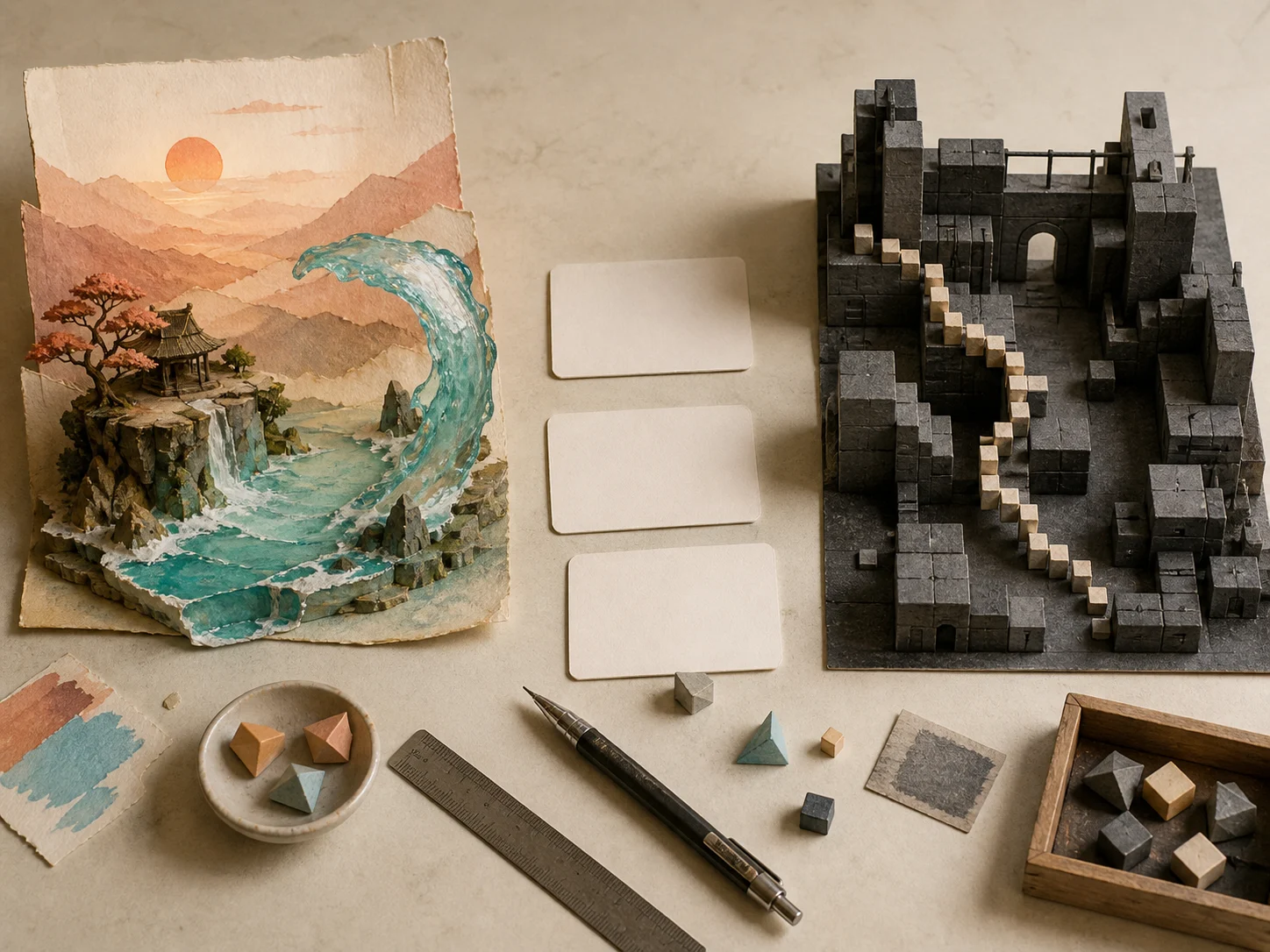
We make original games.
No reskins and no version of whatever is trending. Every game starts with a world and an idea of its own.
-
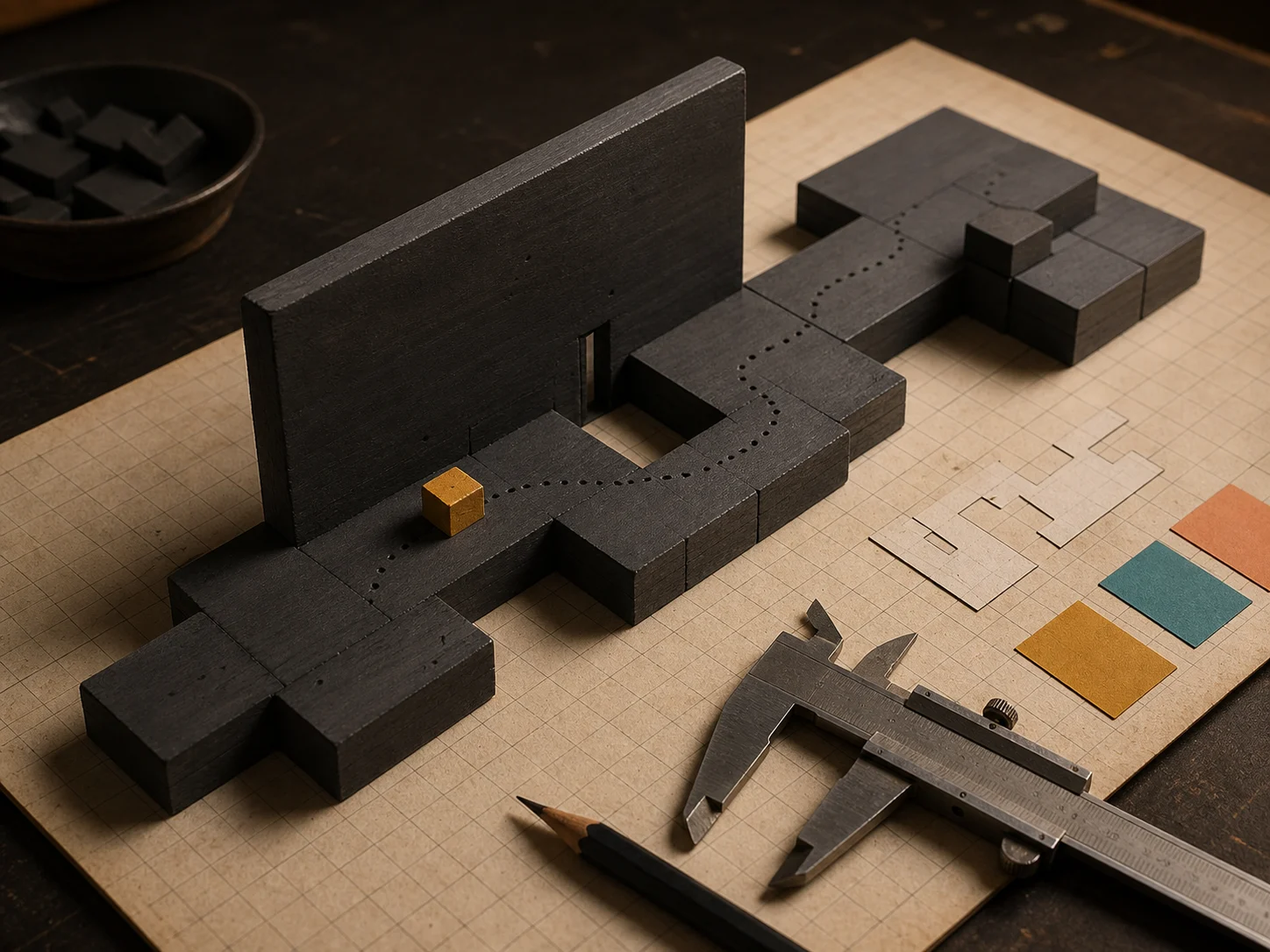
We build depth from a few rules.
A game should explain itself in seconds and still be worth mastering months later.
The studio
Pars Games is an independent studio in Ankara. We design, build, illustrate and ship our own games rather than making other people's.
Games that take a few seconds to understand and considerably longer to be good at. That is a narrow target and it is deliberate: on a phone, anything that needs a tutorial has already lost, and anything you master in a week is not worth the download.
Build your base and command your army in Rally Front: Commander. Simple controls leave room for decisions that matter.
Pars is the Anatolian leopard. Critically endangered, almost never photographed, and unmistakable on the rare occasion someone manages it. For decades it was assumed to be gone from Türkiye entirely; it wasn't. Camera traps and confirmed sightings have brought it back into the record.
It is a good thing to name a studio after: rare, local, easy to overlook, and impossible to mistake for anything else once you have actually seen it.
Company culture
What a studio values shows up in what it actually does: in what gets written down, what gets cut, and what it refuses to ask of a player. Here is what we believe, and underneath it the six rules that make each one checkable.
No reskins and no version of whatever is trending. Every game starts with a world and an idea of its own.
A game should explain itself in seconds and still be worth mastering months later.
We create the design, code, illustration and writing as parts of the same creative whole. That keeps every element rooted in the same world.
We believe a good idea does not depend on title. We listen carefully to everyone and build an environment where people can realize their full potential.
Every mechanic is played on a real device before the visual layer goes on. Looking good cannot rescue a game that feels wrong.
No dark patterns, manufactured urgency or needless account. Players should come back because they want to play, not because notifications or artificial rewards pull them back.
The six rules
The six rules below describe how we design and test our games, and how we treat the player. Each is followed by what that looks like in day-to-day work.
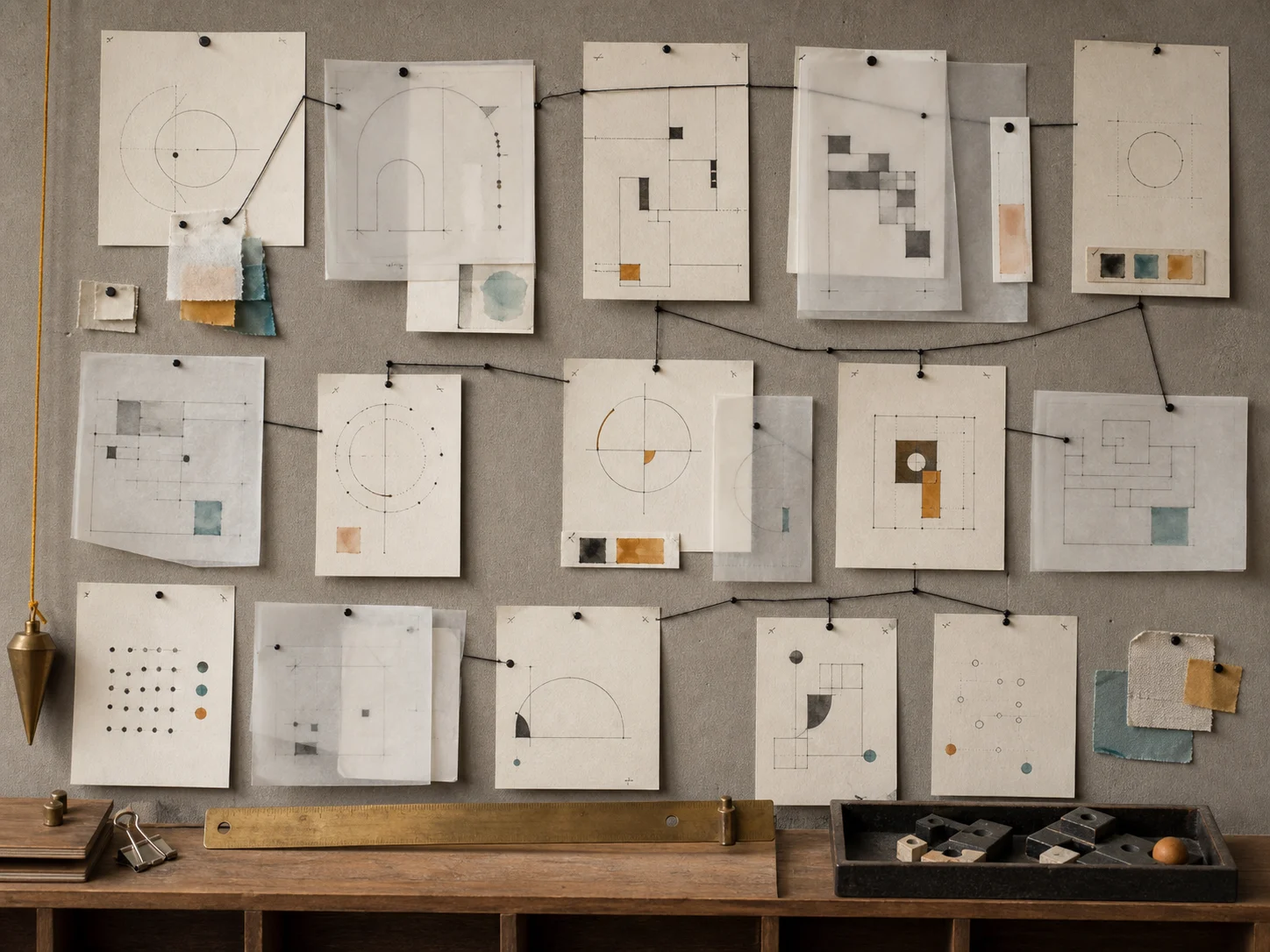
Art direction is written before anything is drawn. Each game gets a palette and a set of rules its artwork is not allowed to break, and the reasoning behind a decision is recorded next to the decision. It sounds bureaucratic; it is the reason two people can draw the same world twice and have it match.
In practice Each game's art direction, palette and core visual rules are written down before production begins. When a decision changes, its previous form and the reason for the change stay in the same record.
One game at a time, taken to a playable state before it is made pretty. Every mechanic is played on a real device long before it gets an illustration, because a game that feels wrong in grey boxes will feel wrong in colour too.
In practice This costs us months of screenshots we could have been showing off. We would rather have a game that plays than a game that photographs well.
Taste settles most questions here. It does not get to settle the ones a number can settle. When two people disagree about whether something lines up, the answer is a measurement, and whoever measured is right.
In practice When we are choosing between two solutions for a mechanic, we test both on the same device under the same conditions. Observable results such as input latency, success rate and retry behaviour guide the decision.
The build log is not an announcement channel. It exists so that a decision can be read with its argument attached, including the decisions that were reversed, which are usually the ones worth reading.
In practice Every decision in the build log explains not only what changed, but why. When a decision is revisited, the new reasoning is added to the same record.
We do not treat the first solution as final. We test playable builds early and consider what players say alongside what they actually do. Each feedback loop ends with a small, measurable improvement.
In practice A change is first tested in a limited prototype. If it genuinely improves the player experience, it stays; if not, it is rolled back and another solution is tried.
No dark patterns, no manufactured urgency, no design meeting whose purpose is to find another place to interrupt someone. The same rule covers data: what a game does not need, it does not collect.
In practice Rally Front: Commander does not require a Pars Games account. Progress stays on your device.